Places · Chatham-Kent, Ontario
Published
Southwestern Regional Centre: the lives behind Chatham-Kent’s empty buildings
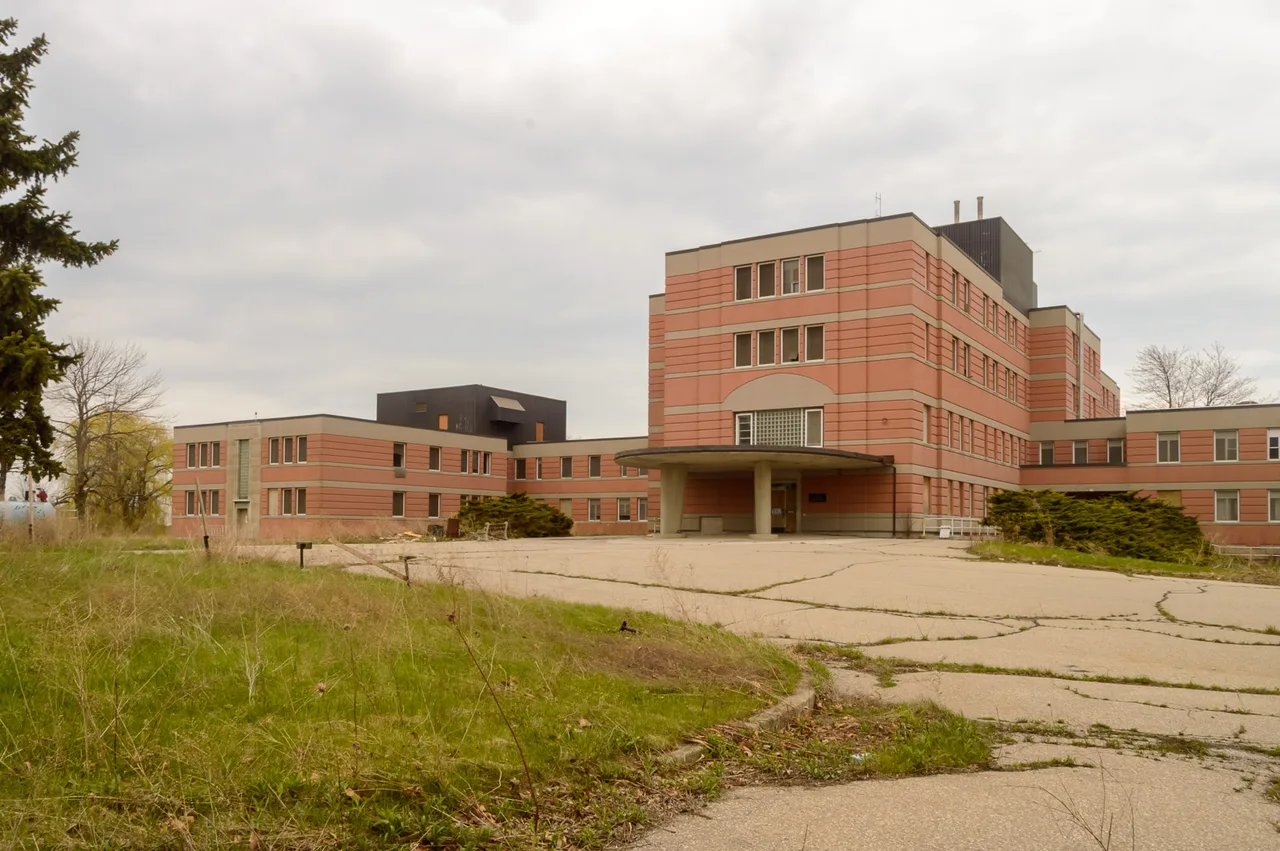
Southwestern Regional Centre was a residential institution for people with developmental disabilities. It opened in 1961 and closed in 2008. Ontario apologised in 2014 for abuse and neglect. Its former buildings and 2014 photographs are historical records, not a current public attraction.
Facts checked
In this story
One memory is of a computer and hot chocolate
An account of Southwestern Regional Centre remembers helping people use Commodore 64 computers. One person liked a cup of hot chocolate after finishing at the computer, and the helper remembered that ritual years later. It is a small, human recollection in a history too often reduced to photographs of abandoned corridors.
It is not the whole history. Ontario’s 2014 apology to former residents of Southwestern and Rideau Regional Centres acknowledged abuse and neglect and accepted responsibility for harm. A kind encounter and an official record of institutional failure can both be true; neither should be used to erase the other.
Source: Chatham-Kent Reddit discussion:swrc-thread
Source: Ontario: regional-centre settlements and closure dates
The institution was larger than an ordinary idea of care
Southwestern opened in 1961 and housed people with developmental disabilities. Ontario’s history records 937 residents in 1971. The scale helps explain why understanding the place requires more than identifying what stood in a particular photograph.
Describing it simply as a psychiatric hospital misstates the purpose recorded by the province. The people who lived there had lives, preferences and rights, not merely a relationship to a large building. Some remained in institutional settings for many years.
Former visitors remember deliveries, school placements and concerts. Those glimpses can preserve individual connections, but they do not measure the quality of life of everyone who lived there.
Source: Ontario: closure programme and Southwestern’s 1961 opening
Source: Ontario’s2014 apology to former regional-centre residents
Closing the building was part of changing the model
Southwestern closed in 2008 as Ontario moved away from large developmental-disability institutions and strengthened community support. The intended change was toward more choice and participation in ordinary community life.
That intention did not make suitable housing, trained support or meaningful decisions automatic. Individual contributors have questioned smaller homes and the adequacy of later care, while others welcome the end of the large institutions. These are concerns to take seriously without presenting personal accounts as proof that one arrangement served everyone.
The 2014 apology remains central. Recalling a concert or a patient interaction should add specificity to people’s history, not soften the province’s acknowledged responsibility.
Source: Ontario’s2014 apology to former regional-centre residents
Source: Ontario: regional-centre settlements and closure dates
Source: Ontario: closure programme and Southwestern’s 1961 opening
What the photographs cannot hold on their own
The photographs recirculated in 2026 came from a May 2014 visit after closure. They are historical images, not evidence of safe or permitted access now. The site is not offered as a public attraction.
For families preserving a connection, names, dates and ordinary memories matter alongside official records. So do the wishes and privacy of the people concerned.
The hot chocolate recollection is worth keeping because it describes a person’s preference and a small shared routine. The institution’s legacy asks the larger question of whether people received the dignity, safety and support their lives deserved.
Source: Freaktography: dated South Western Regional Centre photographs
Source: Chatham-Kent Reddit discussion:swrc-thread
Source: Chatham-Kent Reddit discussion:swrc-thread
Questions people ask
What was Southwestern Regional Centre?
Ontario identifies Southwestern as a residential institution for people with developmental disabilities.
Source: Ontario: regional-centre settlements and closure dates
Was it simply a psychiatric hospital?
No. Describing it only as a psychiatric hospital misrepresents the purpose recorded by the province.
Source: Ontario: regional-centre settlements and closure dates
When did Southwestern close?
Ontario records its closure in 2008, as services shifted toward community living.
Source: Ontario: regional-centre settlements and closure dates
When did Southwestern Regional Centre open?
Ontario’s institutional history records its opening in 1961.
Source: Ontario: closure programme and Southwestern’s 1961 opening
How many people lived at Southwestern in 1971?
Ontario’s institutional history records a resident population of 937 in 1971.
Source: Ontario: closure programme and Southwestern’s 1961 opening
Did Ontario apologise to former residents?
Ontario issued its apology in April 2014, recognising the harm to former residents and families.
Source: Ontario’s2014 apology to former regional-centre residents
What did the apology recognise?
The apology recognised abuse, neglect and the harm institutional care had caused.
Source: Ontario’s2014 apology to former regional-centre residents
What replaced Ontario’s large regional-centre model?
The closure was part of the move toward community-based support for people with developmental disabilities.
Source: Ontario: regional-centre settlements and closure dates
Is Southwestern Regional Centre a public visitor attraction?
It is not presented here as a visitor attraction. The photographs document a historical visit rather than public access.
Source: Freaktography: dated South Western Regional Centre photographs
Who was included in Ontario’s 2014 regional-centre apology?
Former residents of Rideau and Southwestern Regional Centres and the families affected by their treatment.
Source: Ontario’s2014 apology to former regional-centre residents
Something changed? Tell us about a correction.